

Taroom Trough "fast track" puts Reef and nature at risk without relief to Queenslanders
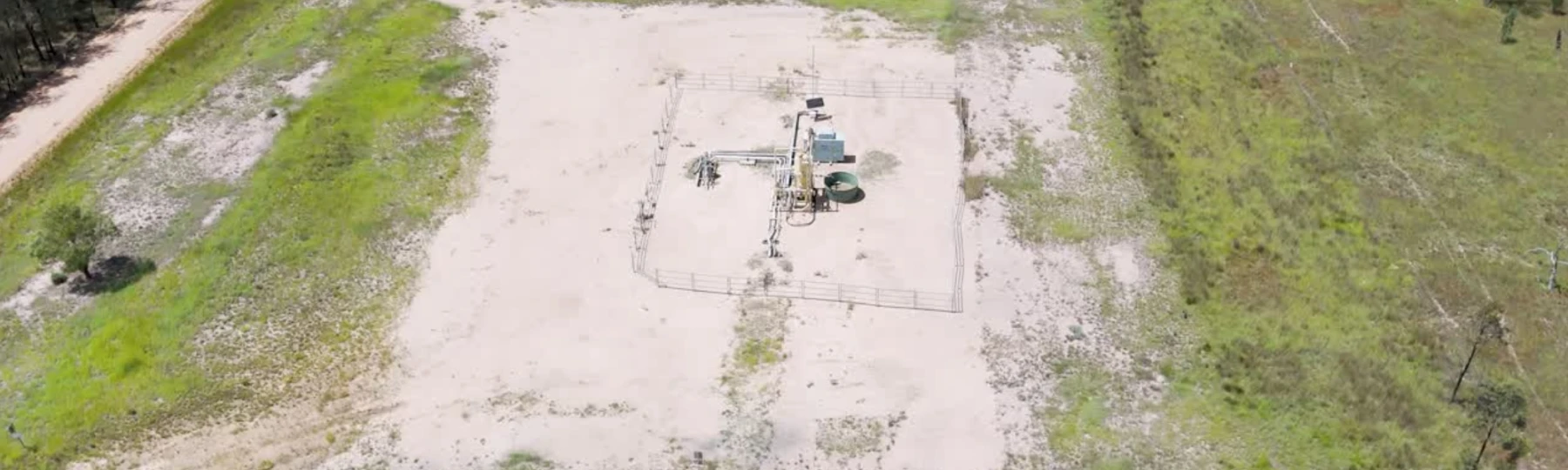
The State Government has announced it will fast-track development of the Taroom Trough oil basin, putting the Queensland environment at greater risk despite growing evidence it will do little to lower energy bills or deliver timely benefits for households.
The Taroom Trough Development Plan Works Amendment Regulation 2026, made under the State Development and Public Works Organisation Act 1971, activates the Coordinator-General’s powers to coordinate infrastructure and streamline approvals across the basin, with the stated aim of accelerating development.
The Queensland Conservation Council says the regulation does not change the fundamental economics, timing, climate impacts or long-term risks of developing new fossil fuel projects. More direct measures to ease cost-of-living pressure, such as a 25 per cent tax on gas exports, would deliver faster and more certain benefits for households.
Queensland Conservation Council's Climate Lead, Jenny Brown, said
The State Government’s rapid fire announcements to fast track oil, gas and coal projects will alarm every Queenslander who cares about the local environment and the Great Barrier Reef.
Fast tracking coal, gas and oil projects left, right and centre shows a recklessness and lack of care about the impacts they will have on Queensland’s precious water resources, local ecosystems and the jobs and communities they support.
The Great Barrier Reef is already facing major risk from climate change. Each additional project that is fast tracked by this government is another blow to the Reef and the 70,000 jobs it supports, with very little return for Queenslanders.
Opening up the Taroom Trough to oil companies won’t bring down power bills, because prices are set on international markets. These projects take years to deliver and won’t provide relief to households facing high energy costs today.
The Taroom Trough will only add more emissions and climate damage when Queensland communities are reeling from climate damages.
If the goal is to ease cost-of-living pressure, a far more direct solution is making fossil fuel companies pay their fair share, such as through a 25% gas export tax, would be more effective.
With tens of billions of dollars exported each year, that revenue could be returned to households to cut bills and invest in a mix of cheaper renewable energy.
If the goal is lower bills and stronger energy security, renewable energy and storage are already delivering, and can be rolled out much faster.
 Share
Share
 Tweet
Tweet
 Email
Email