

New climate report sounds alarm bells for Queensland's future liveability
The Australian Government’s shocking new report, National Climate Risk Assessment, highlights that North Queensland communities will be some of the most exposed and affected by multiple climate hazards. In Queensland, the number of homes with very high-risk exposure to climate impacts is projected to increase to up to 185,000.
The report models three scenarios: 1.5°C, 2.0°C and 3.0°C of global warming. Under the worst case scenario, sea levels are expected to rise by half a metre by 2090, with 18 of the 20 most-exposed regions in Queensland. By 2090, more than three million people across the country could be living in areas with a high-risk and very high-risk of coastal flooding and erosion caused by sea level rise.
Heat-related mortality in Townsville is expected to increase by almost 350 per cent in a 3.0°C scenario, but even in the best case scenario, mortality is still expected to rise by almost 100 per cent.
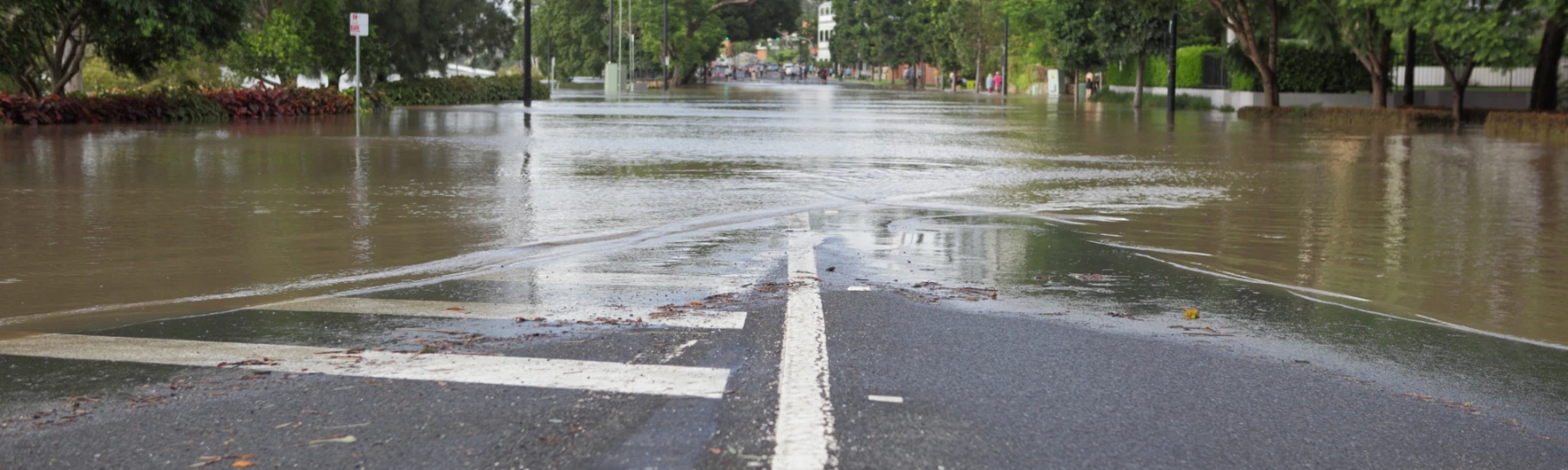
Overall the report found that Australian communities will face more extreme and frequent climate disasters, from severe East Coast flooding and stronger Category 4-5 cyclones in the North, to longer bushfire seasons in the South. Urban coastal centres, the Torres Strait, and remote communities are among the most at risk, with critical infrastructure, agricultural regions and cultural heritage sites all flagged as vulnerable as sea levels rise, floods intensify and droughts deepen.
The Queensland Conservation Council says the finding of this report should act as a wake-up call for the Federal and State Government, which are both still supporting new fossil fuel extraction while inadequately preparing communities for the devastating climate impacts already locked in.
Queensland Conservation Council Director Dave Copeman said
This report underlines the shocking cost climate inaction will have on our way of life and environment. We’re staring down the barrel of a completely new world where every Queenslander’s life will be harder and our biodiversity will be pushed to the brink.
This should be a wake-up call to the Federal and State governments that we need to urgently cut dangerous climate pollution, while funding adaptation and resilience measures to prepare our communities for the devastating climate impacts already locked in.
It’s not enough anymore for governments to fund recovery after a disaster has struck, they need to proactively invest in community resilience to minimise the damage and protect us all before it happens.
In Queensland we’re already experiencing the impacts of more frequent and severe disasters fuelled by climate change. We’ve had year after year of destructive storms, floods and fires, and we’re already paying the price through higher insurance and grocery bills.
Protecting our communities and addressing climate change requires urgently transitioning away from fossil fuels and stopping new polluting coal and gas extraction.
We are urging the Australian Government to heed their own warning here and set a strong 2035 emissions reduction target that’s aligned with the best science.
Right now the Queensland Government is reviewing the 75% emissions reduction target they committed to before the election. If they repeal the climate ambition they promised, it will be increasing the risk to every Queenslander, especially after the damning findings of this report.
The Queensland Conservation Council is a member of the Power Together coalition and Renew Australia for All, which campaign for governments at a state and federal level to invest in community resilience and adaptation in response to climate change.
Key risks to Queensland
Cost to the economy: Climate change is expected to drive escalating economic costs across all communities.
Cyclones: Fewer tropical cyclones are expected overall, but Queensland will see a higher proportion of Category 4-5 events.
Heatwaves: Northern and inland Queensland will see longer and more severe heatwaves, driving health risks, energy demand surges and reduced worker productivity. Specifically, Townsville will see heat related mortality rate rise. This is expected to increase by almost 350% in a 3.0°C scenario, but even in the best case scenario, mortality is still expected to rise by almost 100%.
North Queensland communities will be exposed to multiple climate hazards that will compound. Northern Queensland communities will be impacted the most and face major storm surges, wind and flood risks. Queensland as a whole will face greater shortages of food products as a result.
Remote communities: Queensland regional and remote communities face higher exposure to floods, cyclones, bushfires, and heatwaves with limited access to services for recovery.
Coastal communities in Queensland will be exposed to increased sea level rise in all scenarios. This could reach over half a metre by 2090. Urban coastal centres and infrastructure hotspots, especially in Queensland, are among the most at-risk areas.
Nature: All natural systems will be challenged, with severe impacts expected on ecosystems, driving significant additional risk to public health and safety. Many species will be forced to move, adapt to the new conditions or die out.
Homes and insurance: The number of residential buildings at very high risk is expected to increase across all scenarios: 178,000 buildings projected at +1.5°C scenario, 181,000 at +2.0°C, and 185,000 at +3.0°C. This will drive up insurance costs for communities.
Jobs: Diversification of industries will reduce community risks, as communities dependent on single industries will face higher risks as production shifts or becomes unviable.
Food security: Due to more severe weather events, Queensland will face increased pressure on crops and increased disruption in food distribution networks that could lead to greater food shortages.
Agriculture: Regional agricultural communities in Queensland, particularly in the north and along the east coast, can expect longer droughts, more severe heatwaves affecting livestock, disrupted water supplies for irrigation, increased cyclone-related damage to crops and supply chains, and growing risks from pests and diseases, all threatening farm productivity, local jobs, and the economic viability of single-industry towns.
Small businesses: Queensland has some of the highest percentages of small businesses located in very high-risk areas. The northern region's sea level rise in 2030 will put over 40% of small businesses at risk.
Seaports: Queensland will see increased risks and associated socioeconomic cost of seaports, with Mackay Regional and Gladstone Regional areas having some of the highest expected costs.
 Share
Share
 Tweet
Tweet
 Email
Email