

Queensland faces mounting costs as Federal emissions target falls short
Today, the Federal Government has announced a 2035 emissions reduction target of 62-70% by 2035, falling short of what science says is needed to keep Queenslanders safe from the worst climate impacts.
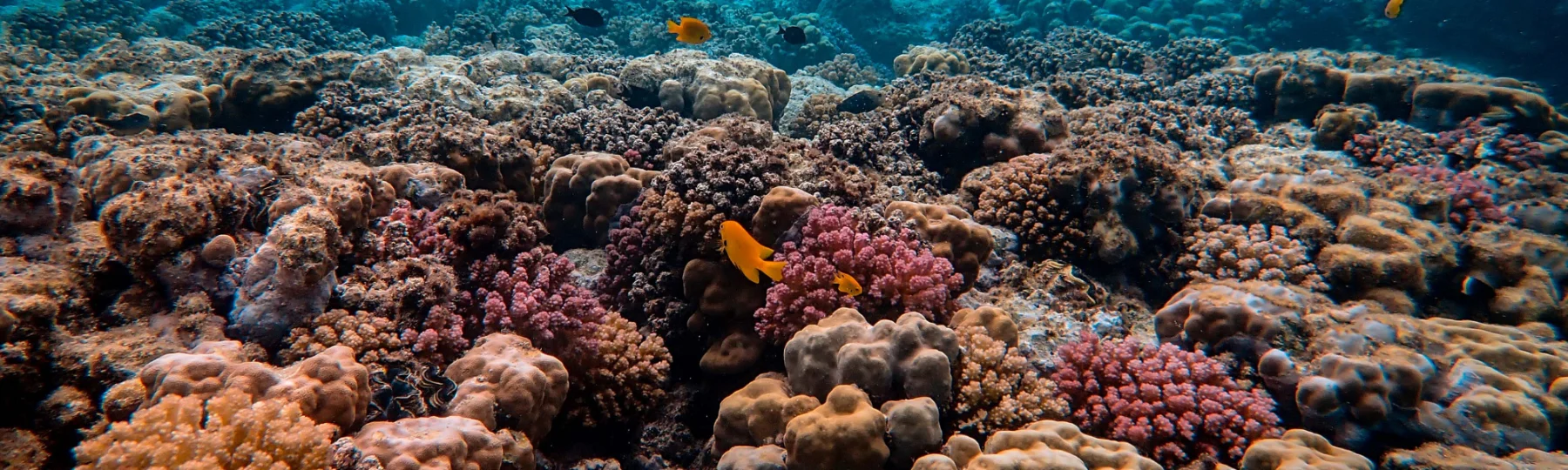
The science is clear that a cut of at least 75 per cent by 2035 is essential to protect the Great Barrier Reef, reduce spiralling disaster costs, and secure a safe future for all Queenslanders, including Torres Strait Islander communities already on the frontline of rising seas and extreme weather.
A Queensland Conservation Council analysis released last month found that climate disasters have cost Queenslanders more than $24 billion in the past three years alone. Without stronger action, those costs will only grow, hitting households, businesses and taxpayers hardest.
QCC Director Dave Copeman said
Implementing a target below 75 per cent is failing Queenslanders and our environment. This lacklustre level of ambition will not give our precious Great Barrier Reef a fighting chance.
Every year we delay climate action, Queensland families pay the price through soaring insurance bills, higher power costs and unnatural disasters that leave billions in damage behind.
Across Queensland, families, farmers and small businesses are still picking up the pieces after floods and cyclones, while Torres Strait Islander communities watch rising seas swallow homes, culture and sacred sites.
Queenslanders have the most to lose from out-of-control climate change, and the Crisafulli Government promised Queenslanders that they would reduce emissions by 75 per cent by 2035 before they were elected. We’re calling on them to stick to their word and honour that commitment.
Winding back ambition would fuel further uncertainty for clean energy and industry investors, leaving Queensland playing catch-up when we should be leading the nation.
The science is clear: we need at least 75 per cent cuts by 2035 to protect Queenslanders from bigger disasters, rising costs and the risk of missing out on new clean energy jobs.
 Share
Share
 Tweet
Tweet
 Email
Email