

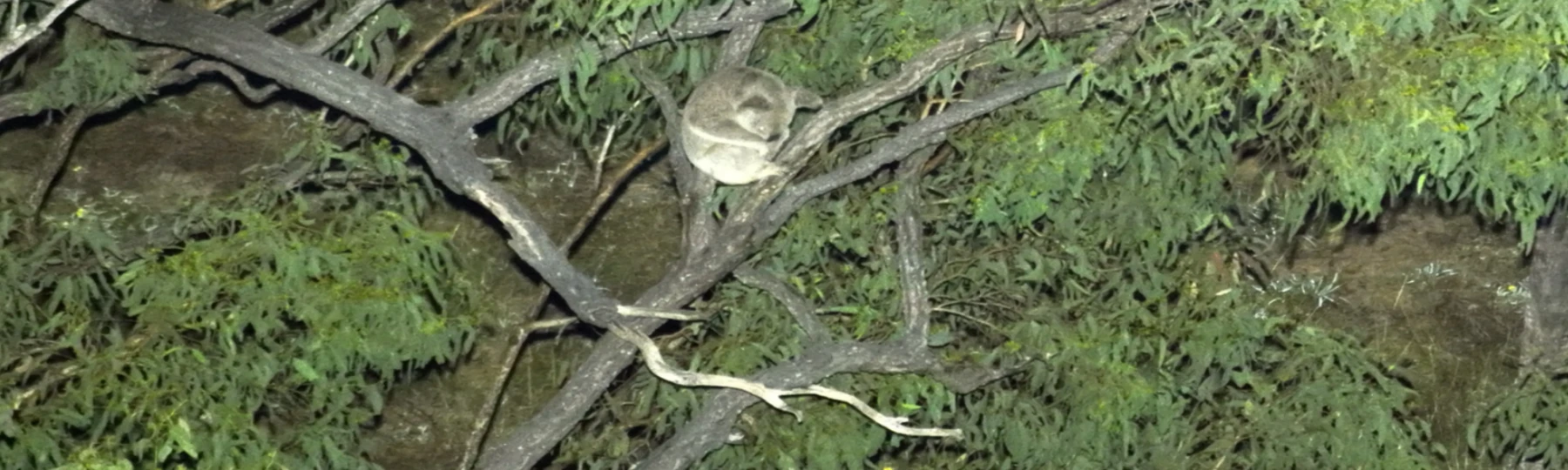
Australia's icon in the hands of Murray Watt: 'Nationally significant' koala population found at proposed Hail Creek coal mine extension
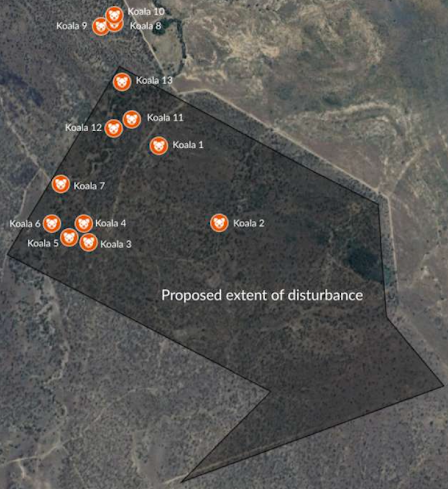
Map of koalas sighted on 9 June 2025
A new investigation has uncovered a thriving population of endangered koalas living in bushland that Glencore wants to bulldoze to expand its Hail Creek coal mine in Central Queensland. Experts say the koala population is considered to be of "national significance".
Thermal imaging drone surveys detected 13 koalas in just one evening on 9 June 2025, in a 1.6 square kilometre area within the Hail Creek coal mine site.
Glencore's project, called the "Hail Creek Eastern Margin Extension Project", has not yet been assessed under national environment law. However, page 63 of company documents show Glencore wants to clear nearly 600 hectares of koala habitat (PDF 6.8mb) that is considered "critical to the survival" of the species.
In total, 680 hectares of native vegetation would be cleared to expand Hail Creek. If approved, Glencore would mine an additional 29 million tonnes of thermal and metallurgical coal until 2040, adding more than 70 million tonnes of climate pollution to our atmosphere.
The release of the drone survey findings comes as community groups officially launch a new analysis (PDF 9.2mb) which found the Albanese Government approved plans allowing more than 1,790 hectares of koala habitat to be cleared for four coal mines during the last term of parliament.
Given this, Queensland Conservation Council, Lock the Gate Alliance, and Mackay Conservation Group are urging Environment Minister Murray Watt to declare a moratorium on further assessment of new coal projects until a thorough assessment of Central Queensland's koala population can be conducted.
Ecological researcher at University of Queensland, Dr. Bill Ellis, says
These findings confirm that this koala population is likely of national significance – something we suggested as early as 2017.
The survival of the species depends on us nurturing these populations that are characterised by such incredible resilience.
Coal corporations will promise offsets or land rehabilitation, but what we’ve seen is that little to nothing appears to have been delivered.
It is high time to abandon the model of allowing mining corporations access to the state’s minerals on the basis that they will clean up after themselves. If we continue along that path we will have no koalas and no habitat.
Queensland Conservation Coal and Gas Campaigner, Charlie Cox, says
Thirteen koalas have been confirmed in the exact place where Glencore wants to expand their climate-wrecking Hail Creek coal mine. This should sound the alarm with Environment Minister Murray Watt.
Koala habitat in Central Queensland is critical to the overall survival of the species. If the Albanese Government means it when they say they are serious about no new extinctions, then they must halt all coal project assessments in the region until the population size, health and habitat can be thoroughly investigated.
The double whammy of cleared homes and climate stress is killing our koalas. The Albanese Government cannot let this continue at Hail Creek.
Koalas are endangered and a national icon. They ought to be given the highest level of protection, instead in Central Queensland they’re losing habitat to coal mining companies who bulldoze their homes and fuel the climate crisis.
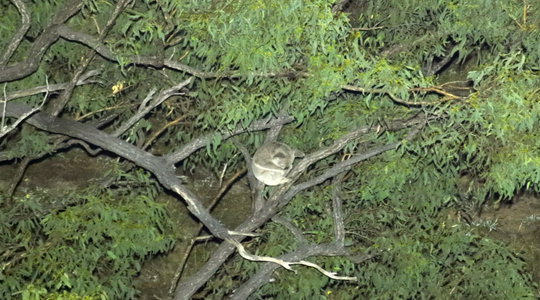
Drone image of koala spotted at Hail Creek coal mine on 9 June 2025
Lock the Gate Queensland Coordinator, Maggie Mckeown, who was on site during the drone surveys, says
This is by far the most koalas we’ve ever seen in the path of a planned coal mine. Lock the Gate works with landholders across Australia to spot koalas and wildlife next to coal and gas mines and the habitat next to Hail Creek coal mine is clearly a critical home for koalas.
Glencore wants to destroy habitat and farmland that supports both a thriving koala population and the livelihood of graziers - all so that they can keep digging coal for an extra four years. It just doesn’t add up.
Mackay Conservation Group Climate Campaigner, Imogen Lindenberg, says
Hail Creek is a super polluting coal mine, but Glencore has been downplaying the amount of dangerous methane it releases for years. Approving this expansion that will turbocharge climate change and clear critical habitat is another nail in the coffin for our beautiful and endangered koalas.
As more and more coal mines open up and expand in the Bowen Basin, more critical habitat is cleared and fragmented.This is death by a thousand cuts for our already at risk koala population.
 Share
Share
 Tweet
Tweet
 Email
Email